

Therapy Dog Training Starts Here
Prepare your dog for meaningful visits, build essential skills, strengthen your bond, and discover how to become certified.
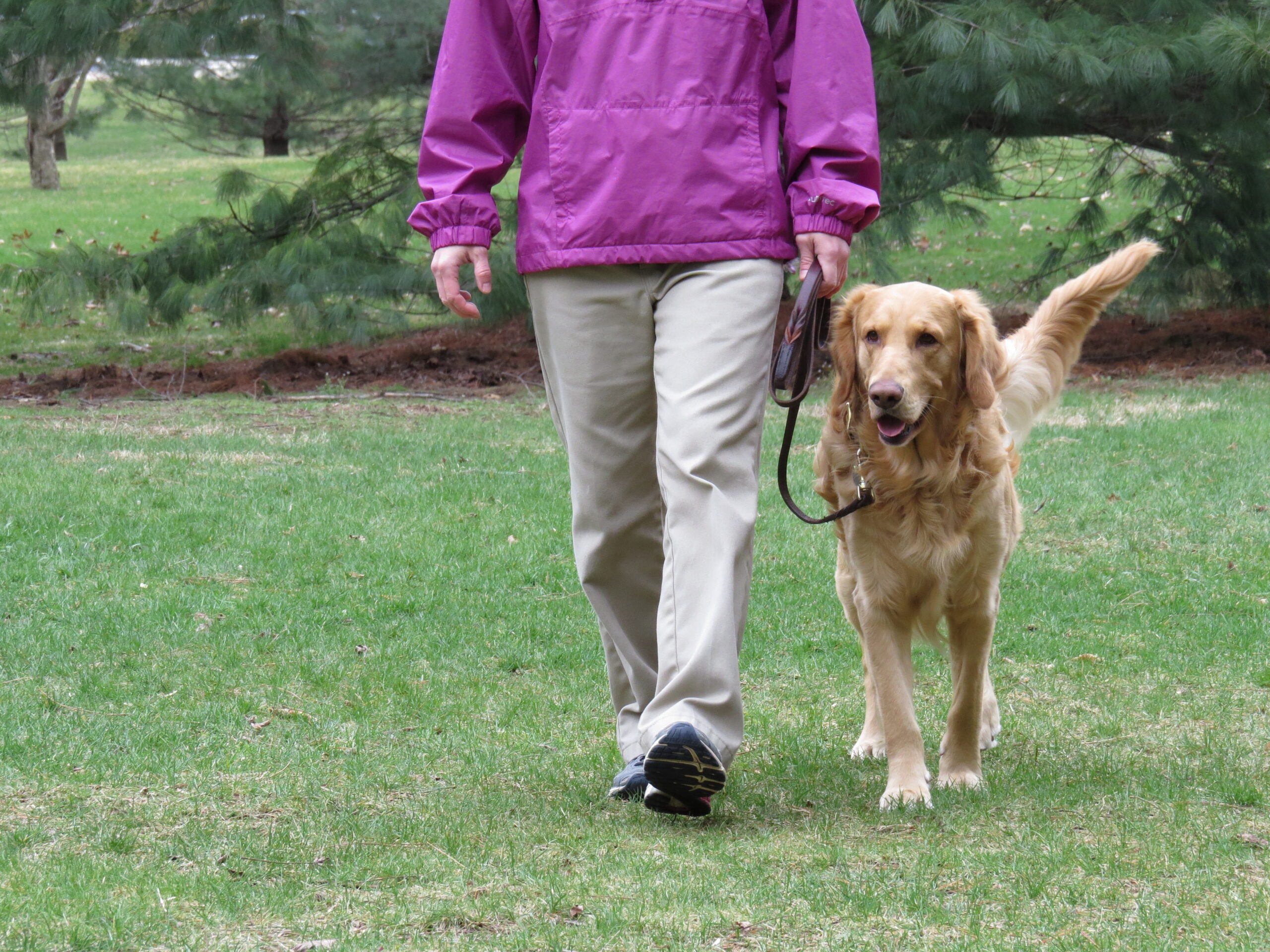
Prepare your dog for meaningful visits, build essential skills, strengthen your bond, and discover how to become certified.
Therapy dog training goes beyond basic cues. Whether or not you pursue formal dog training, you and your dog need to learn to work as a team, build trust, and prepare for new experiences. At Pet Partners, your dog’s comfort and well-being always come first.
Good manners are the first step. Therapy dog training helps your dog practice those skills around new people, sounds, and places.
You know your dog best. Learn to read their body language, respect their limits, and speak up for their needs during visits.
Positive, force-free training builds trust. Reward good behavior, follow your dog’s pace, and keep each experience safe and enjoyable.
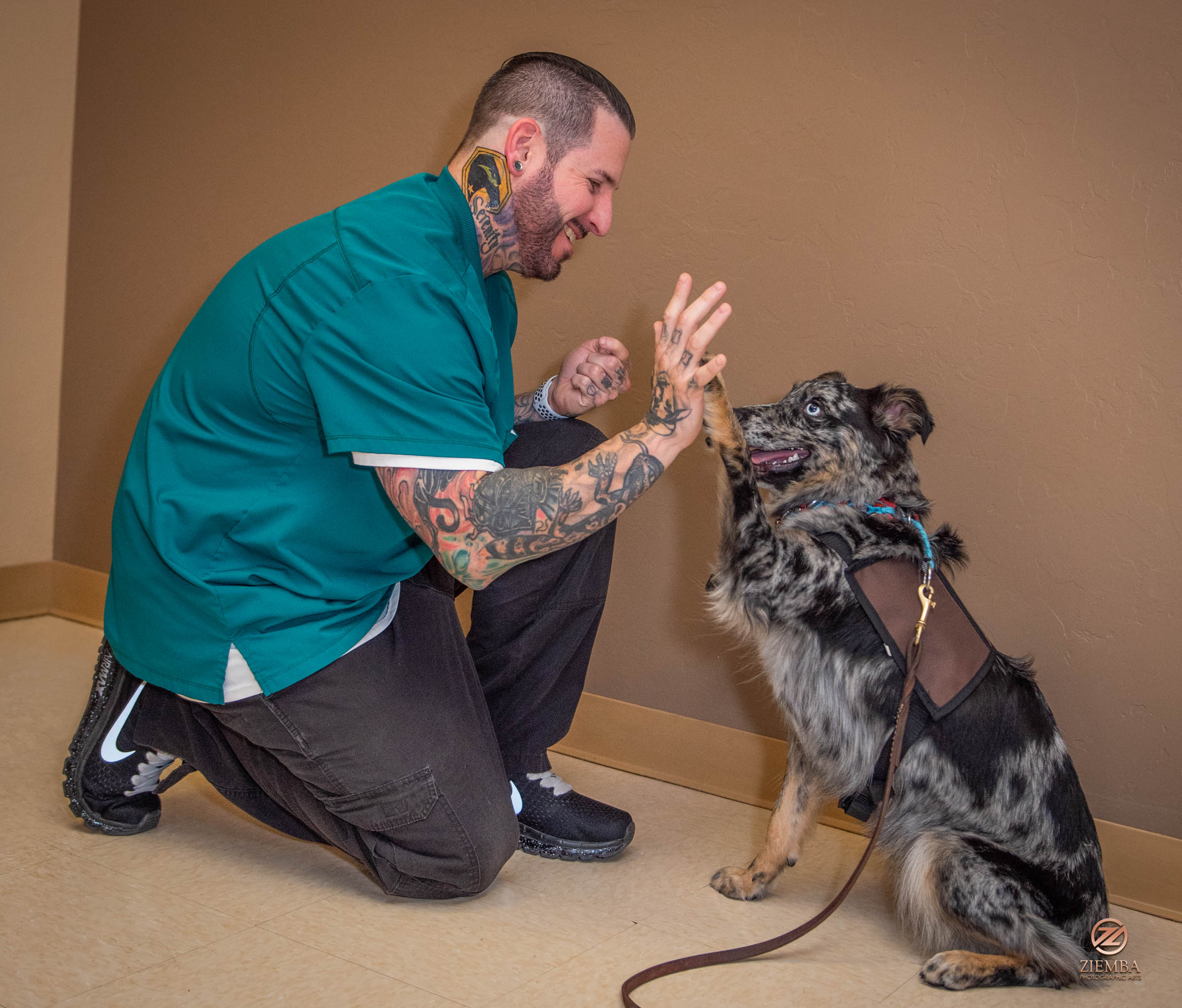
Once you and your dog have built a strong foundation, Pet Partners can help you prepare to become a registered therapy animal team.
As a national leader in therapy animal certification, Pet Partners offers:

Our Online Handler Course and Team Evaluation prepare you for every part of the visit. You’ll learn what to expect, how to read your animal’s cues, and how to handle any situation with confidence.
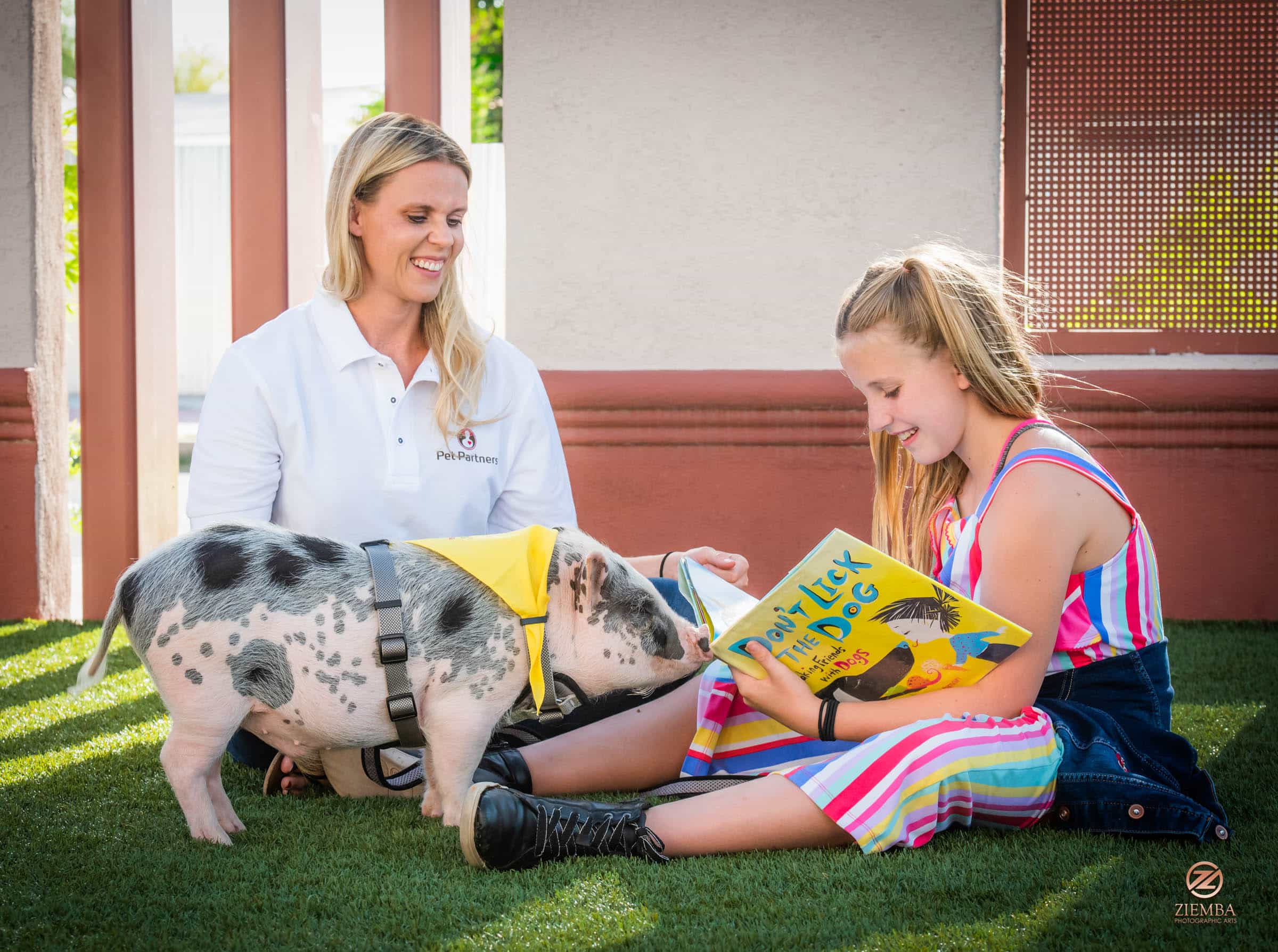
From your first question to your last visit, our national team is with you every step of the way. No one else has the dedicated, professional staff to support volunteers the way we do.
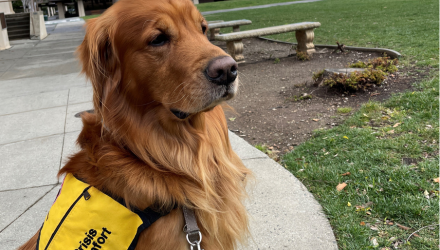
Pet Partners offers peace of mind with our comprehensive liability insurance and a variety of volunteer programs, such as Read With Me™ and Animal-Assisted Crisis Response.
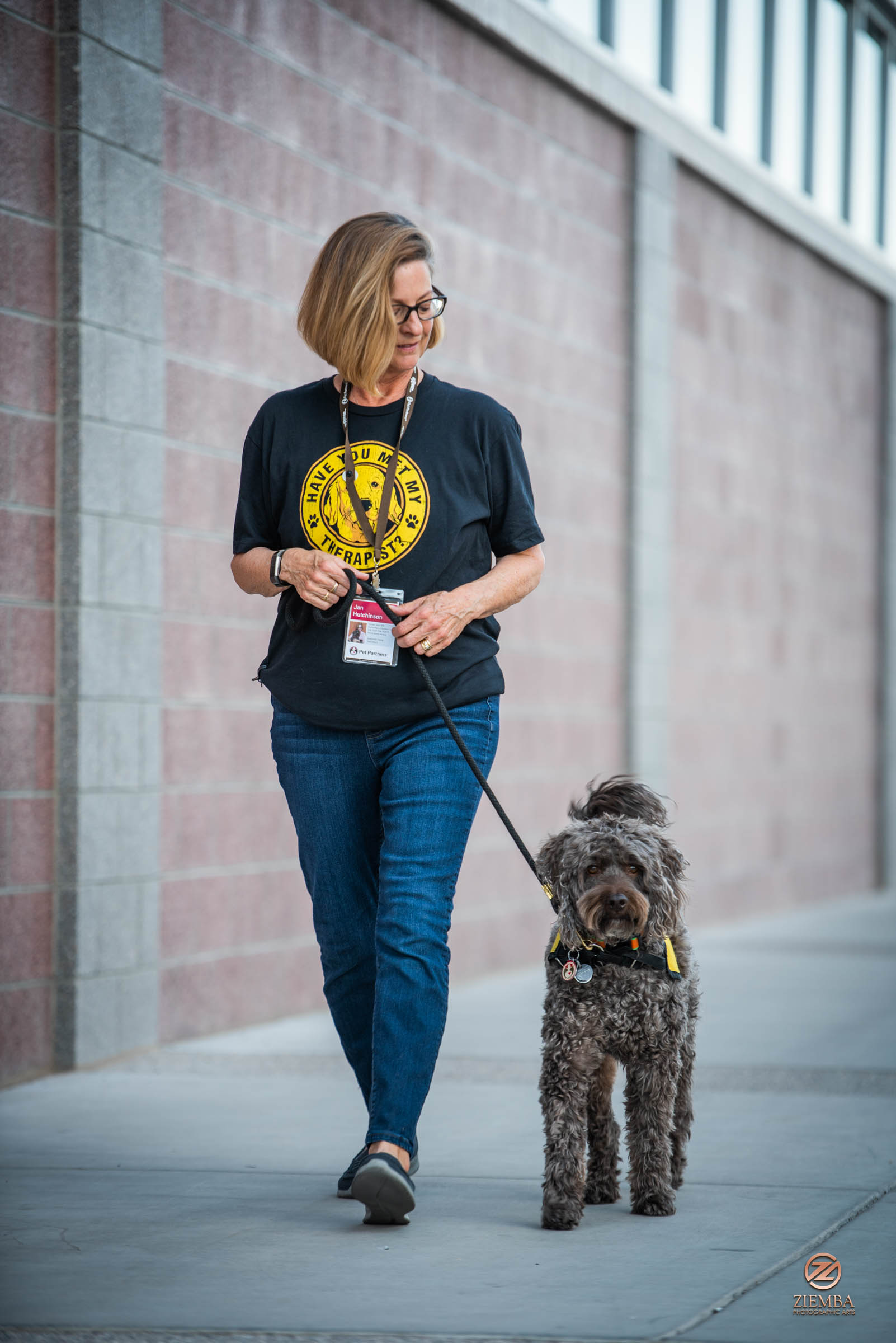
Not at all! Many prospective volunteers prepare their pets for therapy dog work themselves, through training sessions at home or in public places that allow dogs. Some prospective volunteers may want to take formal dog training, but it’s not required to join the Pet Partners Therapy Animal Program.
Every dog learns at their own pace. The time needed depends on your dog’s skills, temperament, and comfort in new places. Short, positive training sessions can help you build skills together.
Dogs of many breeds and sizes can become therapy dogs. The key is whether your dog enjoys meeting new people, feels comfortable in different settings, and can recover quickly from distractions.
Yes! There are many wonderful rescue dogs visiting as registered Pet Partners therapy dogs. What matters most is your dog’s temperament, behavior, and comfort around people. A dog’s past does not automatically determine whether therapy animal work is a good fit.
No. While the Canine Good Citizen (CGC) test can help build basic skills that may be examined in the team evaluation, Pet Partners does not require a CGC to join. You must complete the Pet Partners Therapy Animal Handler Course and you and your dog must complete a team evaluation to become a registered therapy animal team.
Therapy dogs visit places like hospitals and schools and bring comfort to many different people. Service dogs are trained to perform specific tasks for one person with a disability. Service dogs have public access rights under the ADA, while therapy dogs do not.
Your dog should enjoy meeting new people, respond to basic cues, and stay comfortable around new sights and sounds. You as their handler also need to be able to read your dog’s body language and support their needs. The Pet Partners team evaluation helps determine if you’re ready to volunteer together.
If therapy animal work seems like a good fit, Pet Partners can guide you through every step.