
Dog Body Language: Is Your Dog Tired or Stressed? How to Read the Signals
Published:

Dogs are masters of nonverbal communication. They tell us how they feel with their bodies. A wagging tail, a quick lick of their lips, or even a yawn all mean something.
By learning these signals, you’re better prepared to keep your dog safe and happy. You’ll notice stress before it gets worse and can help your dog feel calm in new or busy places.
This is especially important for therapy animals. A dog that feels safe can give their best to the people they visit. And clients feel more comfortable when the dog visiting them is relaxed.
Pet Partners is the only national-level organization with a comprehensive training course. In it, you’ll learn to recognize and respond to different types of communications from your animal. That’s part of what sets our teams apart and makes sure visits are safe, effective, and enjoyable for everyone involved.
Let’s start with one of the most common (and confusing) signals: the yawn.
Yawns can be tricky. Sometimes a yawn means, “I’m sleepy.” Maybe your dog just played outside or they’re ready for a nap.
But yawns can also indicate stress. If your dog yawns repeatedly in the middle of a noisy waiting room, during a training session, or while being hugged by a stranger, it’s less about sleepiness and more about unease.
The key is context.
Learning to read the situation around the signal will tell you what your dog is really saying.
Dogs show stress in many ways. Here are common ones to watch for:
Dogs naturally lick their lips or noses when eating, drinking, or after getting wet. But if your dog is repeatedly licking when no food or water is around, it may be a “calming signal”, or a way to self-soothe during a stressful moment.
Panting is a normal way for dogs to cool down, especially after playing or in hot weather. But when panting happens indoors, in cool temperatures, or during quiet activity, it can point to stress. Rapid, shallow panting is especially telling that there’s something else going on.
When a dog turns their head but keeps their eyes fixed on something, you’ll see the whites of the eyes. This “whale eye” often means they feel unsure.
Dogs may try to disengage from a stressful situation by turning their head or body away. A lowered posture, crouching, or trying to make themselves appear small can also be a sign of fear or uncertainty.
Ears are expressive. A dog with their ears pinned back or turned outward is probably feeling nervous. This signal is easier to read in breeds with upright ears, but it can be observed in all dogs if you know their normal posture.
The way a tail looks is often misunderstood. A wag doesn’t always mean a dog is happy. A tail tucked tightly between the legs is a classic stress signal. A low tail with a stiff, quick wag can also mean worry, not joy. A relaxed wag tends to be looser, higher, and paired with a relaxed body posture.
One signal doesn’t always mean stress. The same behavior can mean different things.
By observing what’s happening around your dog — the people, environment, sounds, and smells — you’ll be better prepared to figure out what their body is saying.
It’s also important to know your dog’s baseline. Every animal is different. Some naturally pant more, some hold their tails lower, and some yawn often. The more time you spend observing your dog in relaxed, comfortable situations, the easier it becomes to spot the signals that mean something is “off.”
So, you’ve picked up on your dog’s signals. What’s next?
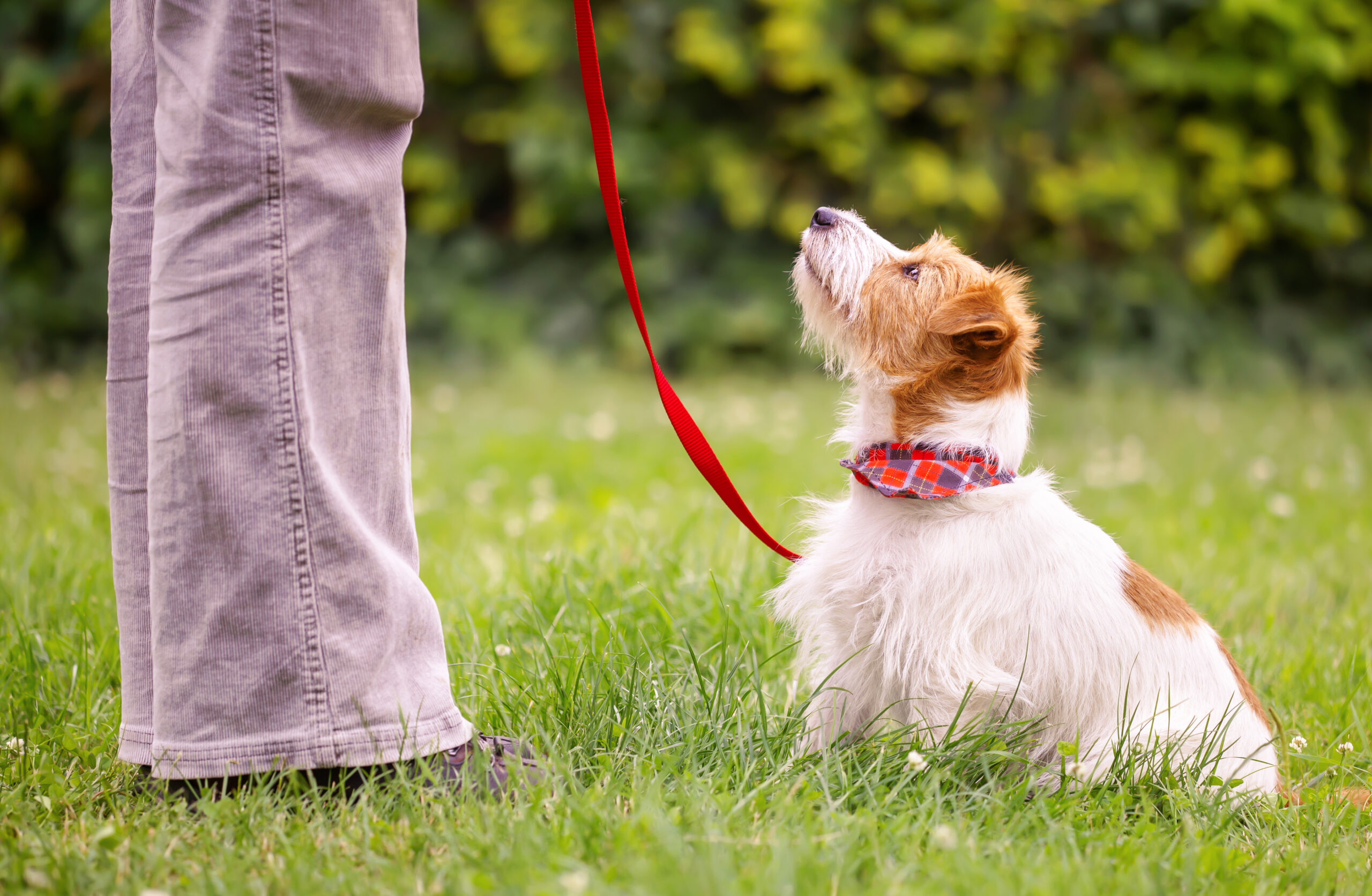
Dogs notice your feelings. If you panic, they get more worried. Stay calm, speak gently, and stay close to them.
Pet Partners handlers often use the PETS™ technique: Presence, Eye Contact, Touch, and Speech. These simple actions can often help a dog regain composure.
Remember our guiding principle: YAYABA™ — You Are Your Animal’s Best Advocate.
If a client is petting your dog in a way that causes discomfort, redirect them politely. If noise or crowds make your dog uneasy, move to a quieter space.
Sometimes, no amount of reassurance will fully ease your dog’s stress in the moment. In these cases, a short break may be just what your dog needs. If signs of stress continue even after a break, it may be best to end the activity or visit early. Your dog’s comfort always comes first.
When you listen to your dog’s signals, you build trust. Your dog learns, “My person pays attention and keeps me safe.” This trust makes your bond even stronger.
For therapy animals, this trust is key. A relaxed, happy dog can connect better with the people they meet. And that makes visits safer and more rewarding for everyone.
Your dog is always “talking” to you with their body. Yawns, tail wags, and ear position all tell a story. By watching closely and thinking about the situation, you can tell if your dog is tired, happy, or stressed.
Whether at home or on a therapy visit, remember that you are your animal’s best advocate. Respecting their communication is the foundation of a strong partnership. It’s also at the heart of what makes therapy animal work so meaningful.
Want to build even more confidence in reading your dog’s signals? Explore our Canine Body Language Course for handlers. You’ll learn how to recognize common cues, advocate for your dog, and strengthen your bond with them.
At Pet Partners, we believe every animal deserves to be heard. Learning your dog’s language is the first step toward a deeper bond. For many, it’s also the start of a meaningful journey as a registered therapy animal team.