
Doing No Harm While Doing Good: How Pet Partners Protects the Well-Being of Therapy Animals
Published:
At Pet Partners, we believe improving human health starts with protecting animal health and well-being. That’s why one of our guiding principles is putting animals first.
Our Therapy Animal Program is recognized for its rigorous standards and compassionate care on both ends of the leash. We know that while handlers volunteer to do good, their animals must never be put in situations that could cause them harm. That’s why our policies are designed not to restrict, but to protect.
Doing no harm while doing good is at the heart of what makes Pet Partners the country’s leader in therapy animal volunteering.
When people join Pet Partners as volunteer handlers, they join a community that takes excellence seriously. Our volunteers understand that therapy animals are partners, not tools. From health screenings to visit length limits, every policy in the Pet Partners Handler Guide is there to safeguard the pets at the center of therapy animal work.
Facilities across the country trust Pet Partners teams because they know our standards meet or exceed the national best practices for infection control, safety, and animal welfare. These standards help everyone enjoy positive, loving visits that improve health and well-being.
Doing good means making sure our therapy animals enjoy their work as much as the people who benefit from it.
One of the most common questions we hear is about therapy animals’ diets. Specifically, why therapy animals who eat a raw food diet cannot go on visits.
The reason is simple: safety. Raw diets can contain harmful bacteria like Salmonella and E. coli. Even the healthiest animals can carry and shed these bacteria without showing symptoms, putting vulnerable people like hospital patients, seniors, and children at risk.
Our infection control policies are based in science and follow public health recommendations to protect everyone involved. Choosing to feed your therapy animal a cooked, balanced diet is one way to be sure that they, and the people they visit, stay safe and healthy.
We know that you want the best for your pet, which is why this policy exists. At Pet Partners, we want to make sure that everyone is informed about the potential risks, so you can take actions that safeguard both the human and the animal.
Your pet loves bringing joy to others, but even the most social, well-trained animals have their limits. Pet Partners set a maximum of two hours’ visiting time during a 24-hour period for that reason.
This policy ensures that animals don’t get overstimulated, tired, or stressed. Just like humans, therapy animals need to rest and recover after visiting to make visits more meaningful for all.
Research shows that shorter, focused visits have better outcomes for everyone. A calm, happy animal leads to more positive interactions, and the people you visit can sense that.
Protecting an animal’s physical and emotional well-being ensures that every visit is truly a gift — for them, and for the people they comfort.
Health and hygiene are essential parts of responsible therapy animal volunteering. Every registered Pet Partners team submits an Animal Health Screening Form, completed by a licensed veterinarian, to confirm that the animal is healthy and up to date on required vaccinations.
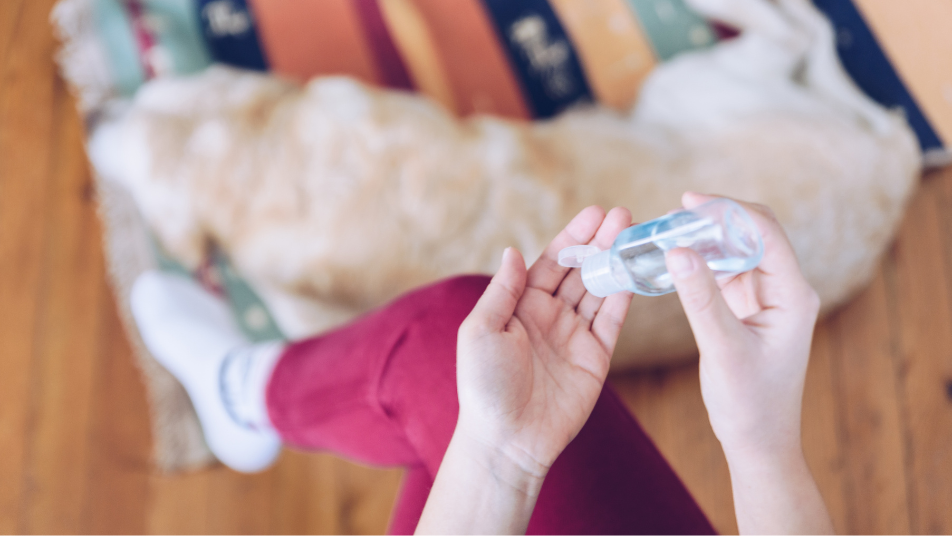
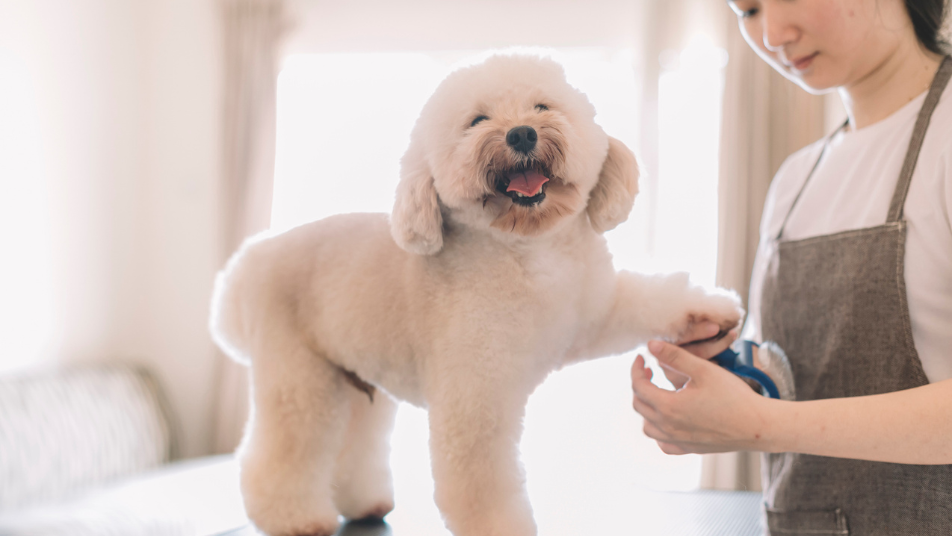
We also request regular grooming before each visit. This means your pet has clean fur, trimmed nails, fresh breath, and well-maintained equipment. These small steps prevent discomfort for the animal and reduce any chance of spreading germs or allergens.
Our strict health standards not only protect the people our teams visit but also protect the therapy animals themselves. Healthy, happy animals make for safe, effective, and enjoyable visits.
This is why many facilities nationwide specifically request teams registered with Pet Partners. Our reputation for safety gives organizations peace of mind. Knowing every visit meets the highest level of care and professionalism.
Even the most experienced therapy animals can have moments of stress. Loud noises, unfamiliar environments, or long interactions can sometimes feel overwhelming.
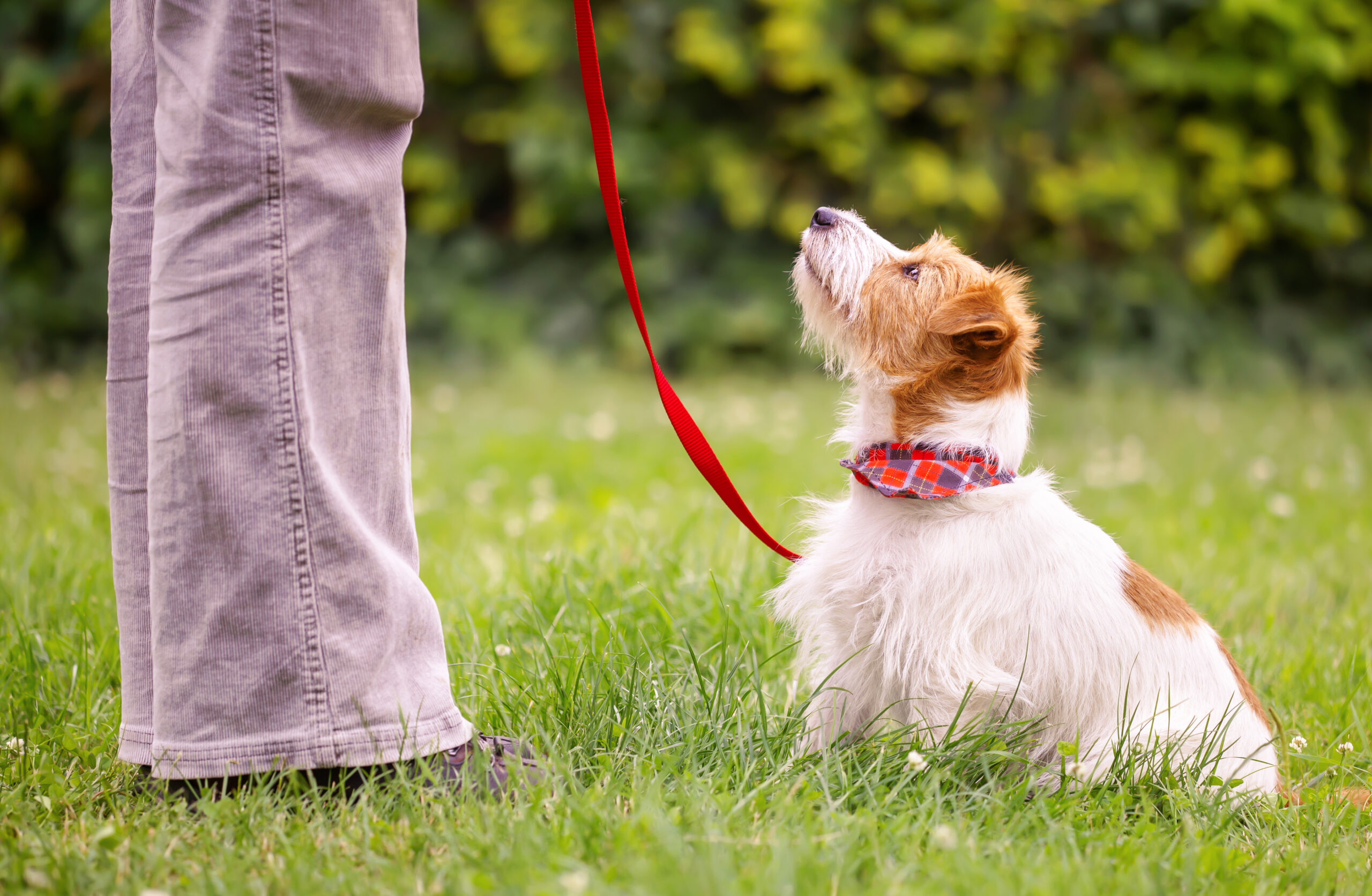
The Pet Partners Handler Guide trains volunteers to recognize subtle signs of stress (you can read more about reading your dog’s body language here). When an animal signals discomfort, you as their handler are responsible for responding with care.
Listening to your pet’s cues is more than being a good handler: it’s the foundation of trust. Therapy animals should always have a choice in their participation. When they feel safe and respected, they’re free to offer a genuine connections, which is the heart of the human-animal bond.
When your animal “says no,” listening to that means you’re doing what’s right.
Being a handler isn’t about giving commands. It’s about giving support. Pet Partners teaches handlers to cue their pets through partnership, not pressure. This language reflects our belief that animal-assisted interventions must always prioritize comfort and consent.
Pet Partners handlers are trained to maintain awareness of both the environment and their animal’s well-being during every visit. They are advocates, monitoring for signs of stress, protecting personal space, and making sure that every experience is a positive one.
Through the Handler Course and other educational opportunities, volunteers gain the tools and confidence to protect their animals while sharing the joy of the human-animal bond. Because at Pet Partners, safety and empathy go hand in hand.
At first glance, some of our rules may seem strict. However, these rules are what set Pet Partners apart. Our policies are backed by science, informed by almost 50 years of experience, and rooted in compassion.
We provide:
These policies shouldn’t make volunteering harder; they make it safer, more meaningful, and more sustainable. Every safeguard represents our promise to you, to your animal, and to every person your team impacts through your visits.
Volunteering with your pet is one of the most joyful and rewarding experiences you can have. Every visit creates moments of comfort, laughter, and healing. But the true power of this work lies in doing good the right way.
By prioritizing the well-being of therapy animals, Pet Partners ensures that the human-animal bond continues to thrive safely and ethically.
Every smile shared, every paw petted, and every mood lifted is possible because our volunteers choose compassion, preparation, and care above all else.
Because when we put animals first, everyone benefits.
Ready to start your own journey to become a Pet Partners team with a pet in your life?
Get started on your journey today! Discover how you can safely share your pet’s love while protecting their well-being every step of the way.
Questions about the registration process or need help from our team? Contact us.