

Why Top Hospitals Choose Pet Partners for Therapy Animal Visits
Published:
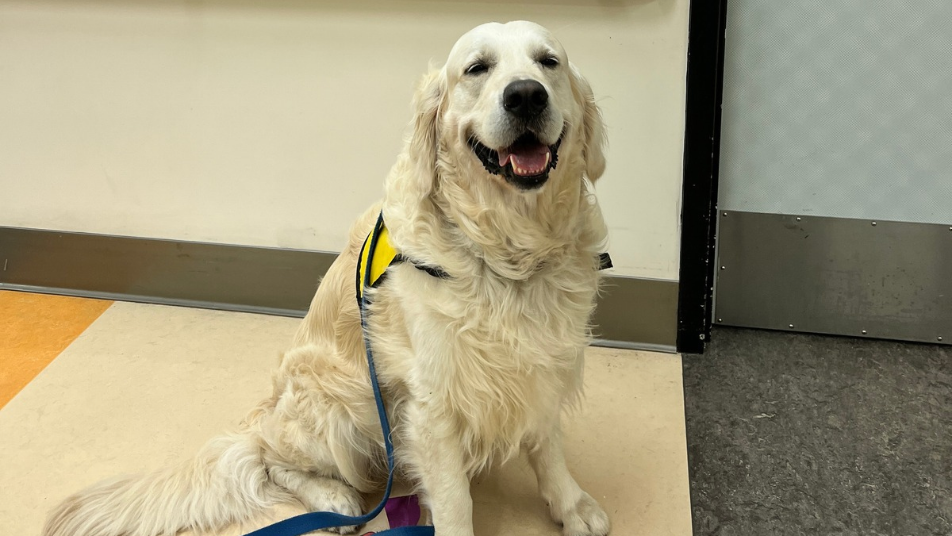
Imagine a patient resting in a hospital room when a friendly therapy dog and volunteer arrive for a visit. The patient smiles, reaches out to pet the dog, and enjoys the moment during a difficult day.
Therapy animal visits can bring joy, connection, and emotional support to patients, families, and healthcare staff. But bringing animals into a healthcare setting requires careful planning and preparation.
Hospitals have a responsibility to protect the health and safety of everyone in their care. That’s why many healthcare facilities prefer Pet Partners therapy animal teams. Our comprehensive education, team evaluations and commitment to safety help volunteers prepare for meaningful visits in healthcare environments.
If you’re considering volunteering with your pet, understanding these standards can help you choose the right organization and feel confident about getting started.
Hospitals and other healthcare facilities welcome therapy animal visits because of the proven comfort and connection they can provide. However, these environments also have unique safety needs.
Hospitals care for people with many different health conditions. Some patients may have weakened immune systems, while others may be recovering from surgery or managing serious illnesses.
For these reasons, healthcare facilities have to carefully consider how therapy animals interact with patients, staff and visitors.
Infection prevention, cleanliness and safe interactions are important parts of any hospital therapy animal program. Facilities may have rules about where teams can visit, which patients they can interact with and which types of animals are allowed.
These precautions help create a safe, welcoming environment for everyone.
Your pet may be friendly, gentle and eager to meet new people. Those are wonderful qualities for a potential therapy animal! Successful therapy animal visits also depend on the person holding the leash or guiding the animal.
Volunteers need to know how to navigate busy spaces, communicate with patients and staff, and respond to unexpected situations. For example, a hospital hallway may have loud equipment, rolling carts or unfamiliar sounds. A patient may move suddenly or need extra space. A prepared volunteer knows how to guide these interactions while keeping their animal comfortable.
That’s why healthcare facilities value teams that have completed training and evaluation through a trusted organization like Pet Partners.
At Pet Partners, we believe preparation helps create positive experiences for everyone involved.
Our Therapy Animal Program requires volunteer education and evaluation of volunteers and their animals, designed to help everyone feel ready for visits in a variety of settings, including hospitals and other healthcare facilities.
Every Pet Partners volunteer must complete our required Therapy Animal Handler Course before becoming registered.
This course teaches volunteers how to take an active role in safe, successful therapy animal visits.
Topics include:
These lessons are especially valuable in healthcare settings, where patients may have different physical, emotional and medical needs.
Through this education, volunteers gain the knowledge and confidence to support their animals and the people they visit.
After completing the Volunteer Course, volunteers take part in a team evaluation with their animals.
During the evaluation, the volunteer and animal work together through simulated situations they may encounter while volunteering.
Evaluators observe how the team interacts with people, responds to distractions and handles different situations.
The evaluation also looks at the volunteer’s ability to communicate with their animal and make appropriate decisions.
This process helps determine whether the team is ready to participate in the Pet Partners Therapy Animal Program.
Pet Partners registration is valid for two years. Teams must complete the renewal process, including reevaluation, to maintain their registration.
For healthcare facilities, these consistent requirements provide added confidence that registered teams have completed an established preparation process.
Safety is a top priority for healthcare organizations. Facilities must consider the needs of patients, employees, volunteers and visiting animals.
Pet Partners supports these efforts through education, policies and volunteer liability insurance.
When therapy animals visit hospitals, infection prevention is essential.
Pet Partners teaches volunteers practices that help reduce risks during visits. These include proper hand hygiene, attention to animal health and grooming, and safe interactions with patients.
Our program also has health and eligibility requirements for participating animals.
For example, Pet Partners does not allow animals that are fed raw animal protein diets to participate in the Therapy Animal Program. This policy helps reduce infection risks associated with certain harmful bacteria.
Volunteers also learn to recognize situations when a visit may be unsafe or inappropriate.
In addition to following Pet Partners policies, registered teams must follow the specific rules of each facility they visit.
These shared expectations help support safe experiences for patients, staff, volunteers and animals.
Healthcare facilities must also consider liability when welcoming volunteers into their buildings.
Pet Partners registration includes volunteer liability insurance for covered activities.
This coverage is an important benefit for registered teams and can provide added reassurance to facilities that welcome them.
Combined with our education, team evaluations and established policies, this protection is one more reason healthcare organizations value Pet Partners registration.
For prospective volunteers, these benefits can make the process of preparing for healthcare visits feel more manageable.
At Pet Partners, our Animals First philosophy guides everything we do.
We believe therapy animal visits should be positive experiences for both the people receiving visits and the animals participating.
Even the friendliest animal can become tired, overwhelmed or uncomfortable in a busy environment.
That’s why Pet Partners teaches volunteers to recognize signs of stress and advocate for their animals.
Imagine your dog has spent time greeting patients and meeting hospital staff. After several interactions, you notice that your dog seems tired or less interested in meeting new people.
As a Pet Partners volunteer, you would know how to recognize those signals and respond appropriately. That might mean taking a break, moving to a quieter area or ending the visit.
Our policies also include limits on visit length and other safeguards that support animal well-being. By putting animals first, Pet Partners helps volunteers build positive experiences for their pets and the people they visit.
This commitment is especially important in healthcare settings, where therapy animal teams may encounter unfamiliar sounds, equipment and situations. Because when volunteers understand their animals’ needs, they are better prepared to create safe, comfortable visits.
Healthcare facilities need to know that visiting therapy animal teams are prepared, professional, and committed to safety.
Pet Partners provides a trusted foundation through consistent standards and a comprehensive approach to volunteer preparation. Many facilities prefer Pet Partners teams, and some work exclusively with teams registered through our organization. Several important factors contribute to that trust.
Required volunteer education, evaluation of volunteers and their pets, and required reevaluation every two years, healthcare facilities can be confident that Pet Partners volunteers teams are prepared for the responsibilities of therapy animal volunteering.
We also have established policies and volunteer liability insurance, supporting responsible visits.
For facilities that are conscious of animal-welfare, our Animals First philosophy helps protect the comfort and well-being of participating animals.
For a hospital volunteer coordinator, these standards can make a meaningful difference. Knowing that a visiting team has completed education, passed an evaluation and follows established policies helps facilities make informed decisions about their volunteer programs.
It also helps prospective volunteers understand what healthcare facilities may expect before welcoming therapy animal teams.
Individual facilities may have additional requirements, including volunteer applications, health screenings or facility-specific training. Pet Partners registration does not guarantee placement at a hospital.
However, completing the Pet Partners registration process can help you prepare to pursue these opportunities with confidence.
Every therapy animal visit begins with a special connection between a person and an animal.
With the right preparation, that connection can bring comfort, joy and meaningful moments to people who need them.
Pet Partners has spent decades helping volunteer teams share the benefits of the human-animal bond through safe, meaningful interactions.
Our commitment to education, evaluation, risk management and animal welfare helps make Pet Partners a trusted choice for healthcare facilities and volunteers alike.
If your pet enjoys meeting people and you’re looking for a rewarding way to give back, the Pet Partners Therapy Animal Program could be a wonderful fit.
Ready to make a difference together? Learn how to become a registered Pet Partners therapy animal team with your pet and take the first step toward sharing the comfort and connection your pet can bring to others.