
What Your Dog Wants You to Know About Volunteering Together
Published:
Your dog may be ready to share their love with others, and that’s great! But first, they need you to listen.
At Pet Partners, you and your dog work together—you as the handler and your dog as your partner. Together as a therapy animal team, you prepare to visit people who may need comfort, connection, and joy.
That teamwork matters. Your dog is not just coming with you on visits: they are an active part of the visit, and their comfort, safety, and joy matter at every step.
So before you begin, let’s look at this journey to volunteering from your dog’s point of view.
A great therapy dog team begins with a dog that truly enjoys meeting new people. Your dog should be more than tolerant of attention from strangers. They should seem happy, calm, and should feel safe when meeting new people.
Therapy dog teams may visit people of many different ages. Some people may move slowly, speak loudly, or use wheelchairs, walkers, or other equipment. Your dog doesn’t need to be perfect around every new thing, but they should be able to stay calm or calm down quickly after a surprise.
Be honest about what your dog likes. Some dogs love their family but feel unsure around new people. Some dogs like quick hellos but do not enjoy long visits. Some dogs feel calm in quiet places but stressed in busy ones.
These preferences don’t make them bad dogs; it just means volunteering as a therapy dog may not be the right fit right now.
Beyond meeting new people, staying relaxed and calm during greetings, and petting, it’s also helpful if your dog can be near other dogs without getting too excited or upset. After social outings, they should seem happy, calm, or content rather than worn down or stressed.
A dog that enjoys people is the start of a strong therapy animal team. Your job as handler is to watch, listen, and respect what your dog is telling you.
Get to know all the signs that your dog could make a great therapy dog in our blog post 8 Signs Your Pet Could Be a Great Therapy Animal.
Your dog is always talking to you. They may not use words, but body language can tell a lot.
A soft face, loose body, and relaxed mouth may mean your dog feels good. Turning away, yawning, licking lips, freezing, panting, hiding, or pulling toward the door may mean your dog needs help or a break.
As a handler, your job is to know your dog’s signals. You need to help your dog during visits. You may need to guide people, make more space, take a break, or end the visit.
This is what makes you a team. Your dog trusts you to make good choices, and you show that trust by paying attention.
Before you begin, think about how your dog shows joy, stress, and tiredness. Notice what your dog does when they want to leave or need space.
Ask yourself whether you can tell when your dog is happy or nervous. Do they look to you for help? Are you willing to pause or leave if your dog needs you to?
Knowing your dog well helps keep visits safe and happy for everyone.
Your dog does not need to be perfect to become part of a therapy animal team.
They do, however, need everyday skills. These skills help the people you visit feel safe, calm, and reassured.
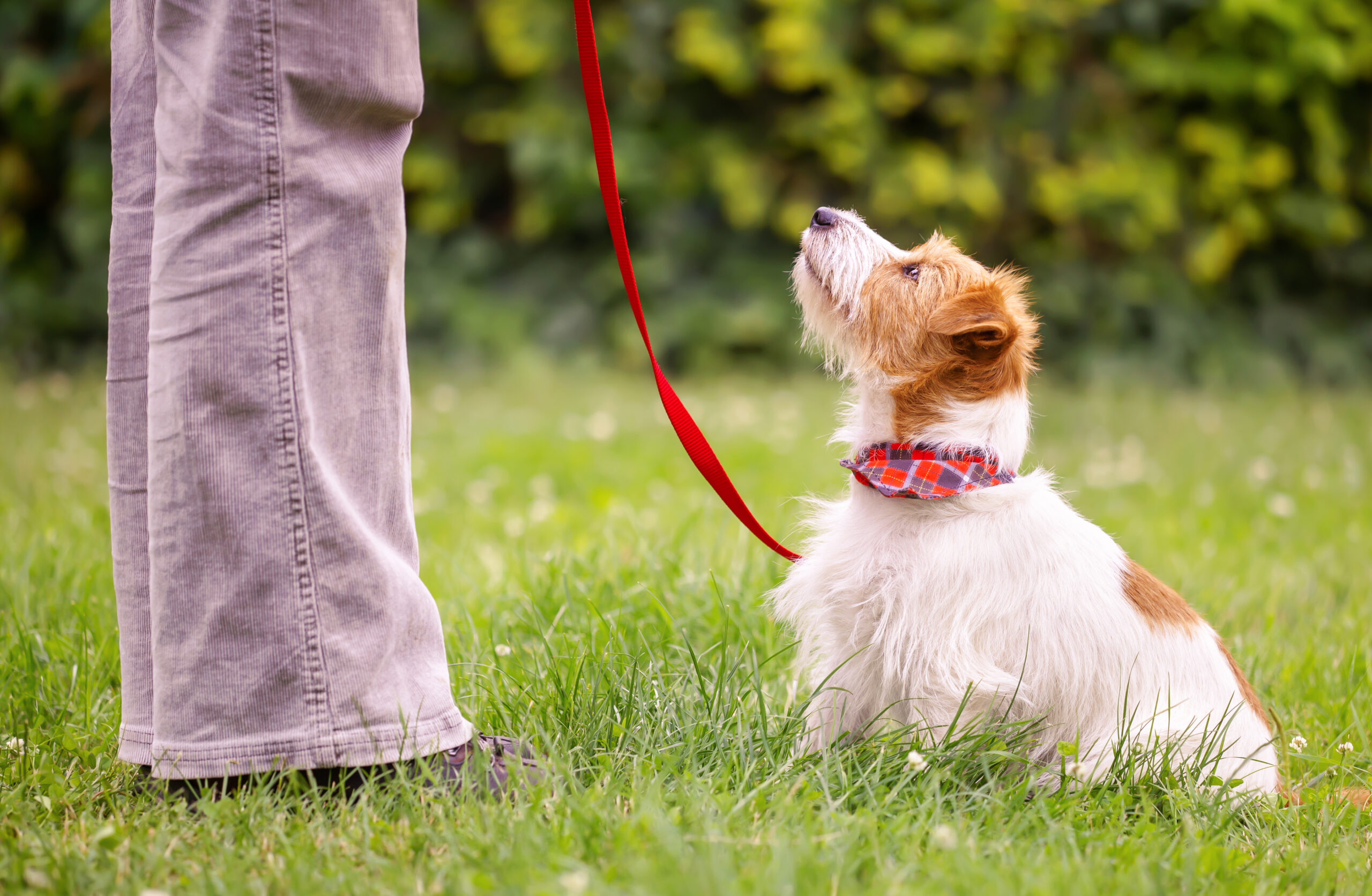
For dogs, this includes walking nicely on a leash, sitting, lying down, staying in place, coming when called, and responding to “leave it.”
These skills matter because visits happen in dynamic, ever-changing places. There may be food on the floor. People may be excited to meet your dog. There may be tight spaces, new smells, loud sounds, or other animals nearby.
Practice to prepare for volunteering should be consistent and kind. The goal is to build trust. Your dog should learn that your guidance makes them feel safe.
Helpful skills include walking near you on a leash, greeting people without jumping, staying calm during petting, and responding to simple cues.
Your dog should also be able to leave food or other items alone, move through a small crowd, rest quietly when needed, and stay connected to you in a new place.
These skills help your dog prepare. They also help your dog feel more sure and safe.
Therapy animal visits can happen in places that feel very different from home.
A hospital, school, senior living community, or busy workplace may have new sounds, smells, and people as well as unfamiliar doors and flooring.
Your dog may see wheelchairs, walkers, elevators, uniforms, carts, or medical tools and hear alarms, loud voices, or sudden noises. A dog that feels safe at home may still need time to feel safe in new places.
You can help by taking small steps. Keep practice short. Watch your dog’s body language. Let your dog look at new things from a safe distance.
The goal is not to push your dog. Rather, it’s to help them learn that new places can be safe.
You can help your dog by going to calm places where dogs are allowed that are new to you, and practicing leash skills there. Praise calm behavior and let your dog watch new things from a safe distance.
You can also practice near people with hats, bags, or canes. Take breaks before your dog gets tired and end practice while they’re still doing well.
Small steps can help your dog build confidence.
Your dog’s health is very important. Visits can be fun, but they also require energy. Your dog should be healthy enough to enjoy them.
As part of the process to join Pet Partners, your dog will need a health screening from a veterinarian to help make sure they’re ready to take part safely.
Your dog should be clean, well-groomed, and free of signs of illness before any evaluation or visit. If they have chronic conditions that they take medications that may lower their immunities, you’ll need to confirm with the staff at Pet Partners whether they’re approved to join the Therapy Animal Program.
Pet Partners welcomes many dogs with disabilities as therapy animals, but a veterinarian must confirm that taking part is safe and comfortable for them, because ultimately, your dog’s well-being should always come first.
Every therapy dog team is different.
Some dogs may enjoy visiting with older adults; others like reading visits with children, or offices or college campuses. Others still may prefer quieter, calmer spaces.
Choosing the right visit is one of the best ways to support your dog.
You may dream of visiting a certain place, but your dog’s needs should guide that choice above all else.
If your dog is unsure around children, a school may not be the best first visit. If your dog is nervous around medical equipment, you may need more practice before visiting a busy hospital. If your dog loves quiet one-on-one time, a calm setting may be a better fit.
Good visits happen when the setting fits the team.
Before choosing a visit, ask yourself:
The right visit fit helps your dog shine.
Becoming a therapy dog team takes time. There are steps to follow, skills to practice, and new things to learn.
This process helps you and your dog get ready for safe, meaningful visits. It’s normal to feel excited, but it’s okay too if you feel unsure.
You may wonder if your dog is ready or if you know enough. The process may feel like a lot, but you don’t need to know everything at the start. Pet Partners provides the education and guidance to help you learn your role as a handler.
What matters most is your dog’s well-being and your growth as a team. Your dog needs you to lead with care, patience, and attention, not rush through the process.
If your dog enjoys meeting people, listens to your guidance, feels safe in new places, and looks to you for support, you may be ready to learn more.
Pet Partners can help you understand the steps to become a registered team with your dog.
As you move through the process, keep asking one key question: “Is this good for my dog, too?”
If the answer continues to be “yes,” then volunteering together will be a powerful way to share the human-animal bond with people who need comfort, connection, and joy.
If you feel that you and your dog are ready to dive in, get started by creating an account in our Volunteer Center.